Audemars Piguet Gives the Royal Oak Offshore a Brighter Look for 2026
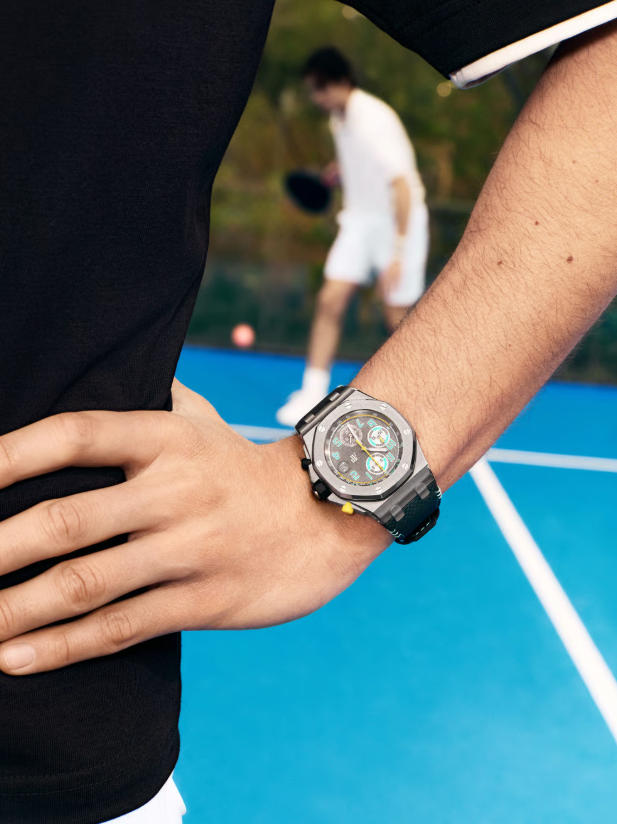
The Royal Oak Offshore has never been an especially quiet watch. Since the collection arrived in the 1990s, its oversized case, exposed gasket and industrial-looking bezel have made it one of the more immediately recognisable Audemars Piguet designs. That character is still present in the latest releases, although the 2026 collection shows that the Offshore no longer has to rely on sheer size to make an impression. Audemars Piguet has introduced nine new versions across three groups: 37mm Selfwinding Chronographs, 42mm Selfwinding Chronographs and 42mm Royal Oak Offshore Divers. Look at them together and the most obvious change is colour, but there is more going on than a simple seasonal refresh. For readers who follow the differences between original models and the watches inspired by them, this is also an interesting release to watch. At Classic Replica Watches UK, the Royal Oak Offshore remains one of those collections where proportions, dial texture and case finishing matter just as much as the name on the dial.
The 37mm Offshore changes the character of the watch
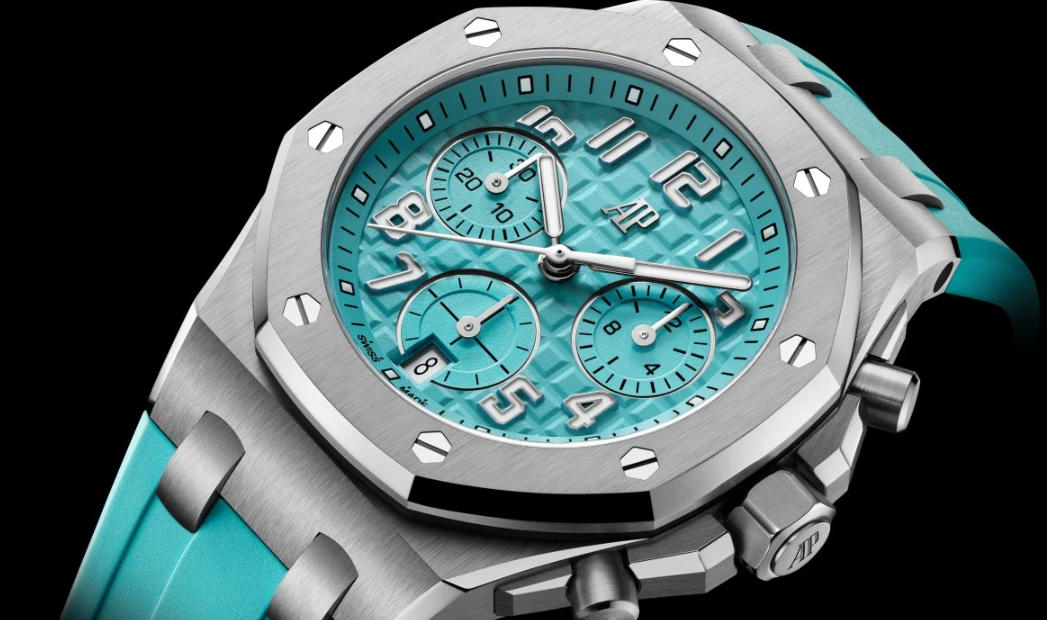
The biggest surprise is probably the 37mm Selfwinding Chronograph. The Offshore built its reputation around large cases, so reducing the scale inevitably changes the way the watch feels. That does not mean it suddenly becomes discreet. The familiar octagonal bezel, visible screws and layered chronograph dial still give it plenty of visual weight. What changes is the balance. On a smaller wrist, or for someone who simply does not enjoy the bulk of a traditional Offshore, 37mm makes the design considerably easier to approach. There are titanium versions using turquoise and pink, while a pink-gold model introduces pale blue details and a diamond-set bezel. These are not conservative colour combinations, but that is partly why they work. A Royal Oak Offshore was never meant to disappear under a shirt cuff. Inside sits the new Calibre 6401. The integrated column-wheel chronograph was developed over several years and provides approximately 55 hours of power reserve. More interesting visually is the decision to reveal the movement through a sapphire caseback. That combination of reduced dimensions and a visible chronograph movement makes these watches feel less like smaller copies of the standard Offshore and more like a separate branch of the family. For anyone comparing 37mm Audemars Piguet Royal Oak Offshore chronograph watches, case thickness and dial spacing are likely to matter almost as much as diameter.
The 42mm chronograph still feels like the classic Offshore
If the 37mm watches broaden the collection, the 42mm Selfwinding Chronographs are much closer to what long-time Offshore owners will recognise. The case has the presence people associate with the model, but Audemars Piguet has used bright pink, turquoise, yellow and orange details to stop the watches feeling overly serious. These accents appear around the Méga Tapisserie dials, chronograph counters and tachymeter scales rather than simply covering the entire watch in one colour. That matters because the Offshore is already a complicated-looking design. Too many competing details can make the dial difficult to read. Here, the colour is used more like punctuation: enough to change the mood without hiding the underlying architecture. The movement is Calibre 4404, an automatic flyback chronograph with a column wheel and around 70 hours of power reserve. The flyback function allows the chronograph to be stopped, reset and restarted in a single operation, but on a watch like this the appeal is as much visual as technical. The 42mm models also make an important point about the Offshore in 2026. Audemars Piguet has not tried to turn it into a restrained sports watch. The proportions remain assertive and the dial remains busy. What has changed is the way colour softens some of that heaviness.
The Diver may be the most coherent of the nine
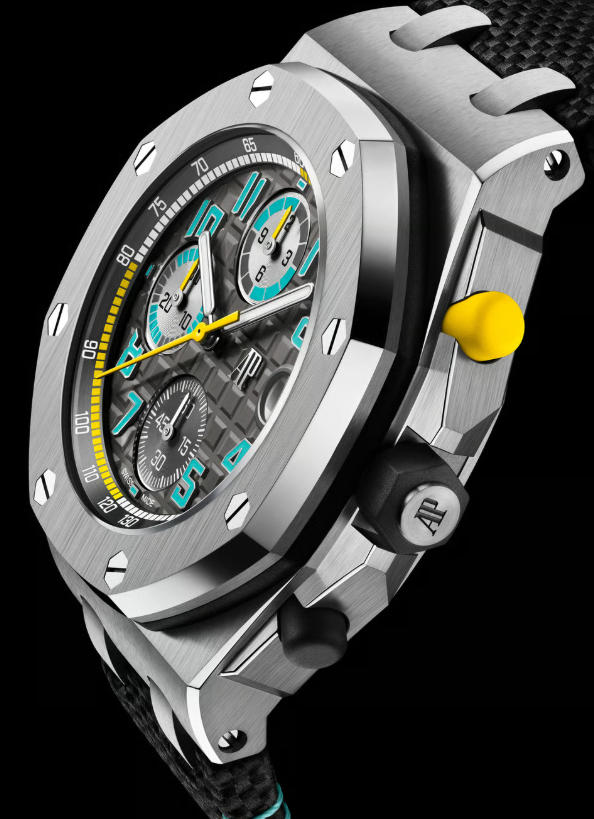
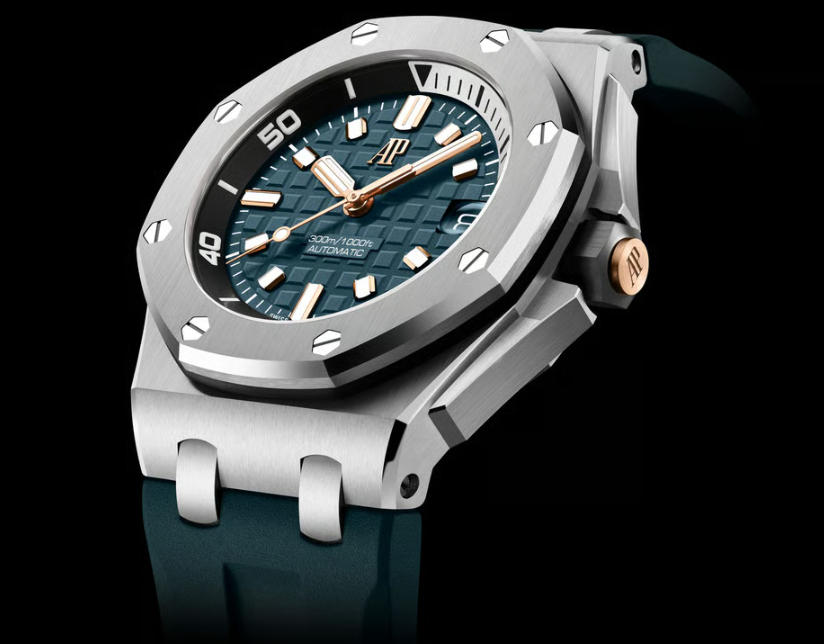
The three 42mm Royal Oak Offshore Divers are perhaps the easiest models in this release to understand. Their purpose is more straightforward, and the Offshore case has always suited the exaggerated proportions of a diving watch. Each version uses a black Méga Tapisserie dial, while pink, turquoise or darker teal accents appear around the watch. Matching interchangeable rubber straps continue the colour theme without making the dial itself overly loud. The watches are rated to 300 metres of water resistance and use an internal rotating diving scale rather than a conventional external timing bezel. Calibre 4308 provides the automatic movement underneath. Of course, relatively few owners are likely to take an Audemars Piguet diving to anything approaching 300 metres. The specification still matters because it gives the Offshore Diver a genuine functional identity rather than making it simply another colour variation. From a visual point of view, Royal Oak Offshore Diver watches with interchangeable rubber straps also show how important the strap is to this design. Change the colour and the personality of the whole watch changes with it.
Why the new colours work better than expected
Bright colours on an expensive mechanical watch can easily feel temporary. That is especially true when brands use them simply because a particular shade is fashionable. With the Offshore, the result is a little different because the watch has always been deliberately excessive. Rubber, exposed screws, large pushers and dramatic dial textures were built into the design long before brightly coloured sports watches became commonplace. That makes pink, turquoise and orange less disruptive here than they might be on a traditional dress watch. If anything, these colours underline what the Offshore has always been: a deliberately unconventional alternative to the standard Royal Oak.
37mm or 42mm: the choice is about more than wrist size
It is tempting to describe the 37mm versions simply as smaller watches and the 42mm versions as the choice for larger wrists, but that misses some of the difference. The two sizes create noticeably different personalities. At 37mm, the Offshore becomes more compact and jewellery-like, particularly with diamonds or brighter colour combinations. At 42mm, the case itself becomes part of the experience. You notice the bezel, pushers and rubber details before you notice individual dial elements. That distinction is especially relevant when looking at Audemars Piguet Royal Oak Offshore watches for smaller wrists, because a technically suitable diameter does not automatically produce the same visual effect as the larger original design. Readers comparing different interpretations of the collection can find more related pieces in our Audemars Piguet Royal Oak Offshore replica watches section, where we follow both older and newer versions of the series.
What stands out after looking at all nine watches
What I find most interesting about this release is not one particular colour. It is the fact that Audemars Piguet now seems comfortable allowing the Offshore to exist in several forms at once. The 37mm chronograph feels lighter and more contemporary. The 42mm chronograph keeps much of the original Offshore attitude. The Diver sits somewhere between a luxury sports watch and a genuinely functional tool watch. They share enough details to remain recognisably part of the same family, but they are no longer asking exactly the same buyer to like them. For a collection that was once defined largely by being bigger and more aggressive than the Royal Oak, that is a useful evolution. The Offshore does not need another increase in size or another layer of complication to stay interesting. In 2026, some of its strongest changes come from something much simpler: different proportions, sharper colour choices and a willingness to let the familiar design loosen up a little.